
01
CRM to enquiries or invoicing
Example: an approved request receives a customer reference in the CRM and can move into invoicing. Existing APIs and permissions determine whether and how this is possible.
API integration development
Codegenie builds API integrations around a concrete data flow. Identify the system that owns each record, when it should move and what should happen on failure.
01
Example: an approved request receives a customer reference in the CRM and can move into invoicing. Existing APIs and permissions determine whether and how this is possible.
Orders, customers and statuses need a clear source of truth. A retry must not create a duplicate order or invoice. A payment and an invoice are not automatically the same record.
Scope field mapping, missing values, rate limits, timeouts and partial failures. Logs contain necessary technical context, not unnecessary personal information.
Agree who manages access, follows provider changes and handles errors. An integration is not an invisible, maintenance-free one-off connection.
An existing software connector may be simpler than custom development. Examine the actual API capabilities before promising supported functions or a total price.
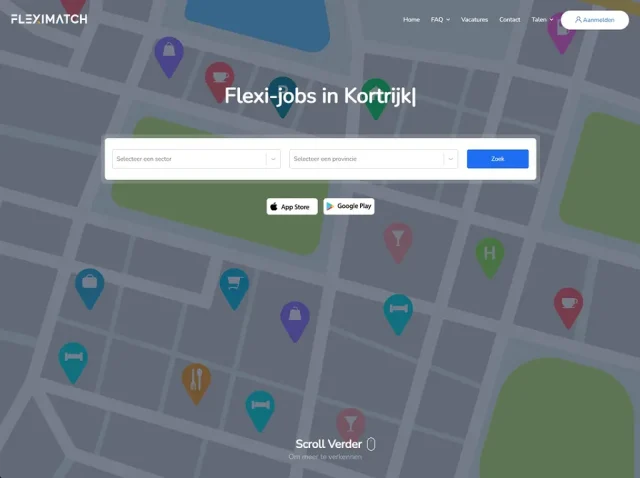
Codegenie developed a Laravel platform with separate onboarding, matching and management for two audiences.
View case study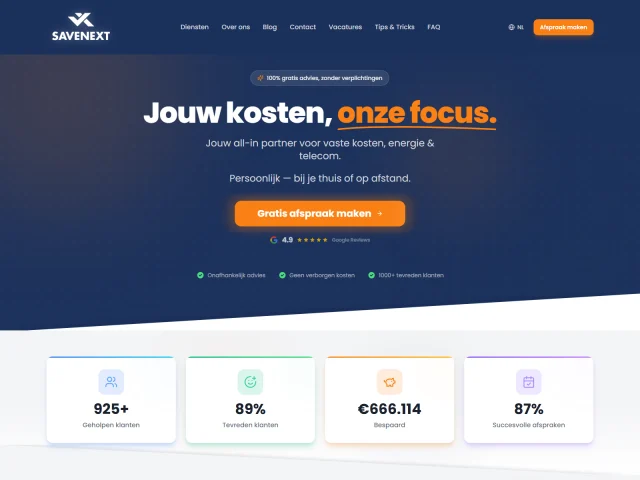
Codegenie built a platform that guides visitors from information and comparison to a concrete advice request.
View case study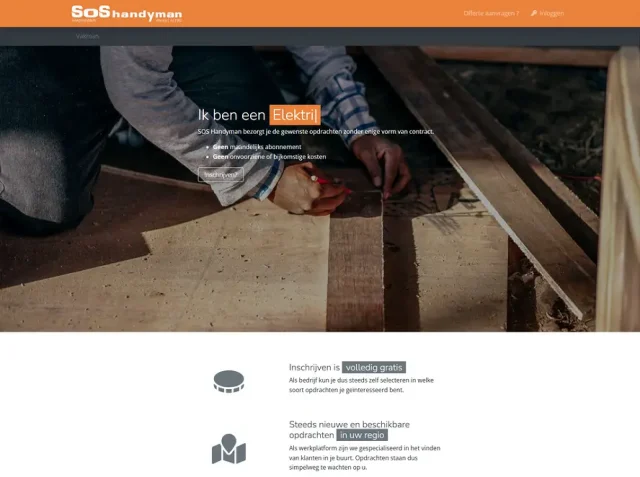
Codegenie developed a web application where customers post jobs and tradespeople follow relevant requests.
View case studyThese pages address the same underlying question and help you choose the right project scope.
For Belgian companies where standard connectors are not enough. Codegenie maps the current invoicing flow and builds the required connection between custom software, Laravel, webshop, CRM or ERP, accounting and a suitable Peppol provider.
View serviceNeed a custom web application for a customer portal, dashboard, internal platform or workflow? Codegenie examines the process first and builds custom software only where it materially improves how the right user completes the right step.
View serviceNeed a Laravel app built or developed for a portal, workflow or integration? Codegenie develops it around users, data and connected systems, with technical decisions that fit your infrastructure.
View serviceFor recurring bugs, outdated versions, slow pages, difficult deployments, missing documentation or extensions that need proper investigation first.
View serviceApproach
Scope and responsibilities are clarified first. We then build and verify the solution in controlled steps.
Choose source, destination, records and owner.
Review documentation, authentication, limits and testing access.
Build mapping, processing and failure paths.
Record test scenarios, administration and responsibility.
Assess the actual API documentation, access and required records. Naming a product does not establish that every feature is available.
Some processing can use normal requests or verified callbacks. Other flows need infrastructure or processing tasks that must be explicitly provided.
The two systems, required records, direction and current problem. Send documentation links, never API keys.
Name the systems and describe the intended data flow so feasibility can be assessed.